Information with specifics of contribution in Indian freedom struggle:
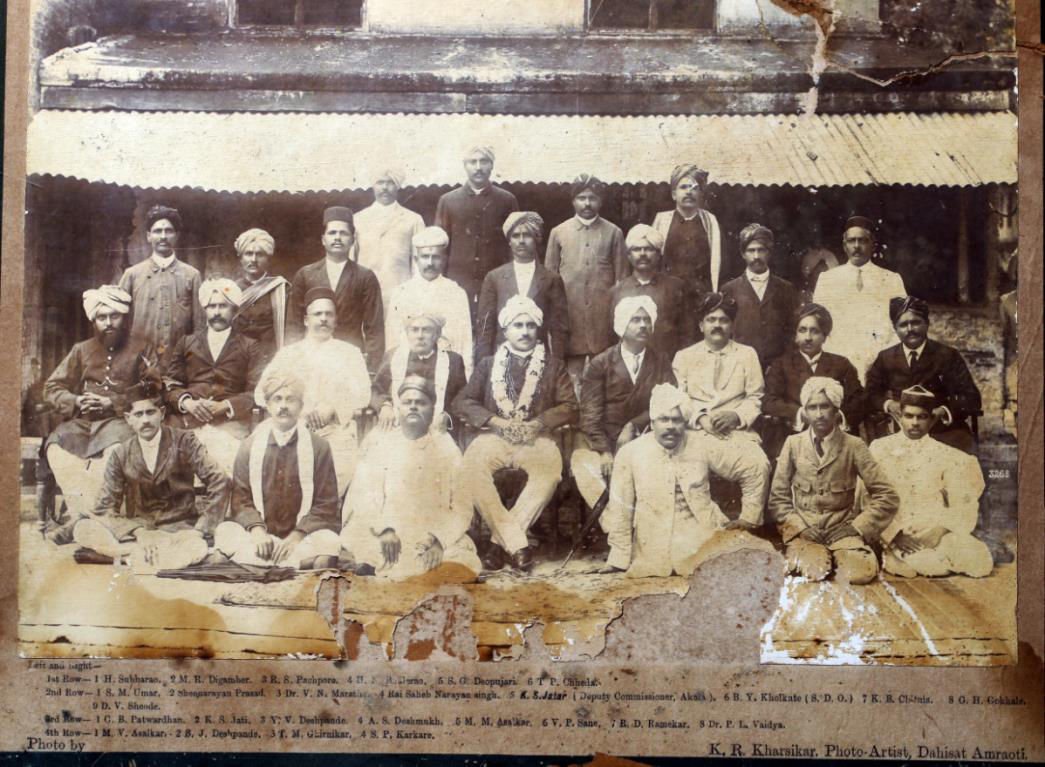
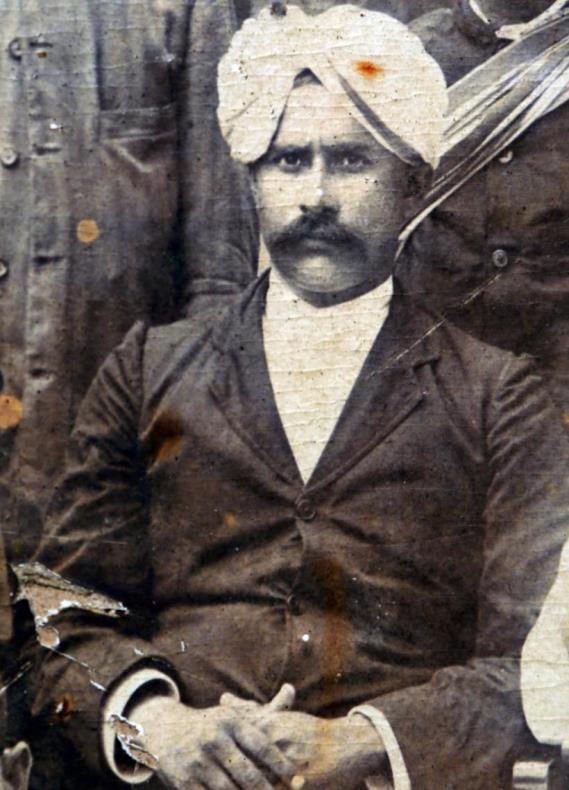
Pandit Sheo Narayan Prasad Shukla was an eminent personality of the district Saugor, Central Provinces. His cultural, social and administrative contributions are worth documenting. He played an important role during the struggle of attaining freedom.
He was born in an affluent Brahmin family of Uttar Pradesh in 1880 AD. His father was a renowned businessman who later moved to Akola, Maharashtra. Unfortunately the family went through huge losses in the business when the trading ships containing Indigo blue was wrecked and sunk in the sea.
Pdt.Sheo Narayan Prasad Shukla wanted to join the military forces but the difficult family conditions, he could not do so as the single child of the family, all though he managed to persuade his father and family to allow him to join the police services.
He matriculated with honours and well-versed with several languages as English, Urdu, Sanskrit, Hindi and Marathi being his mother tongue. Later he acquired skill to draft official writings in Farsi, as in the then time Farsi was popular as administrative language.
Being equipped with such linguistic and communicative skills and dedicated to his service, he was quickly promoted and transferred to a higher rank of Town Inspector in the city of Saugor, Central Provinces (now Madhya Pradesh, India).
The region around Saugor was infested with thugs, pindaries and decoitry was in abundance thus the British officials considered Pdt. Sheo Narayan Prasad Shukla to be an appropriate officer to correct the situation. After that he proved to be a boon for the area and was felicitated for his hard work in eliminating the anti social elements (Dacoits).
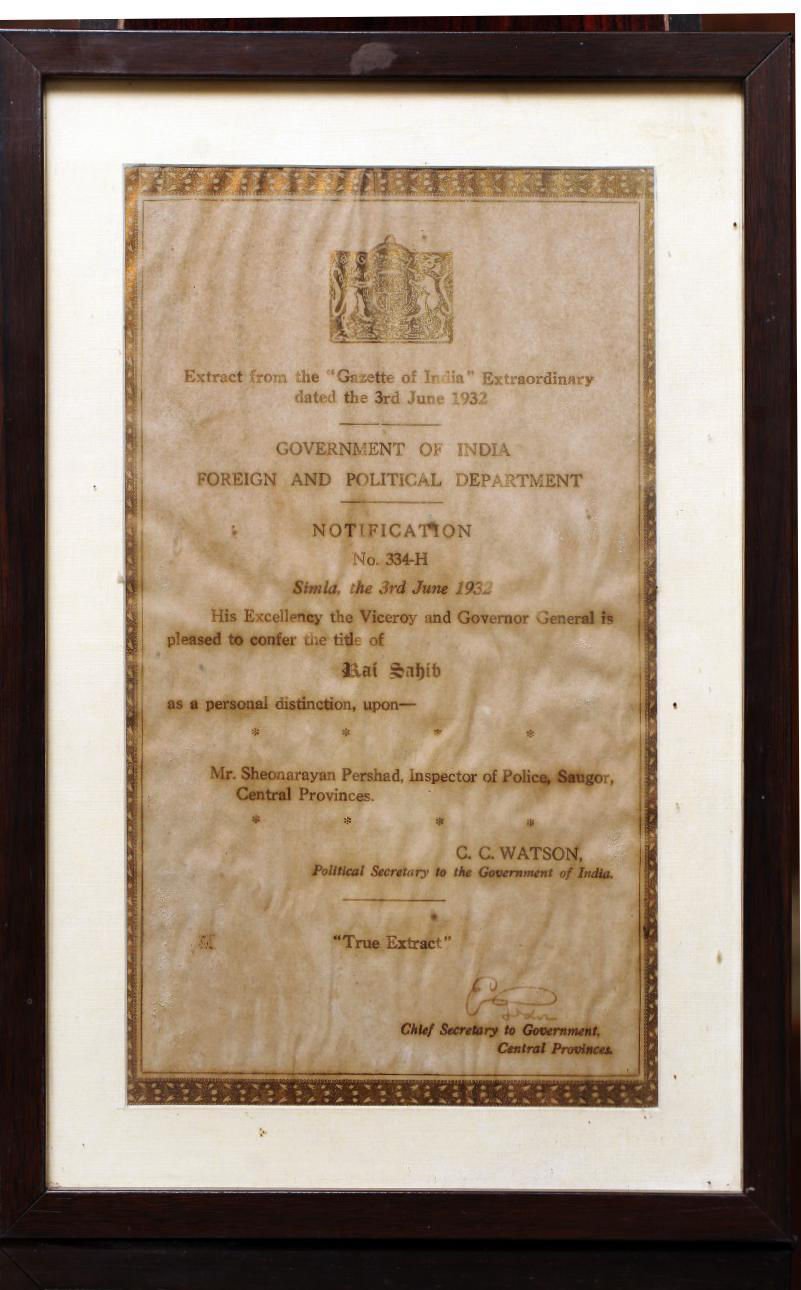
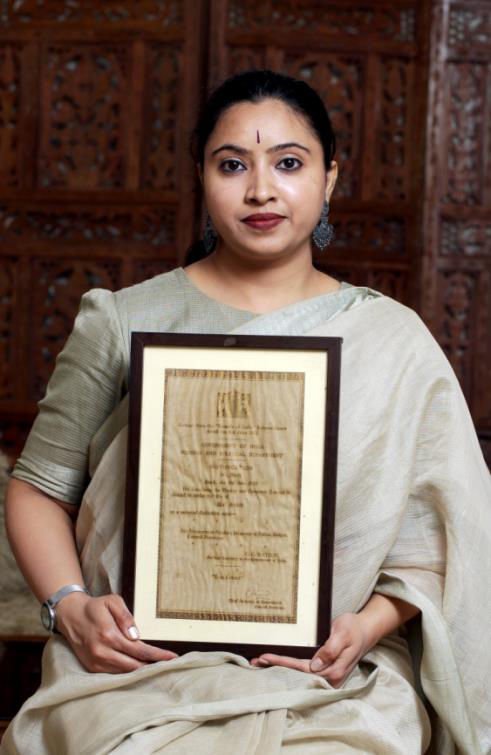
He was conferred upon the title of ‘Rai Sahib’ by the British Government respecting his bravery of compelling over a 100 Dacoits to surrender without much violence. For reference refer to “Gazette of India” extraordinary dated 3rd June, 1932AD.Notification no 334-H.*
There was a series of events where he had chosen to deal with his intelligence and diligence instead of using his power to suppress the critical situations which usually arrive in administrative services.
One such event during the sacred festival of Muhuram, the procession of Tajiya were very prominent in this part of the country. The huge Tajiya was of such height that it could not pass without cutting the branches of sacred banyan tree. Owning to this tajiya-banyan conflict, the emotions of Hindus were with banyan tree and emotions of Muslims were with Tajiya. There was a possibility of fears and aggressive conflict. It was very tactfully and intelligently solved by him, where he managed to push up the branches upwards with the help of ropes and he made a space of 2 feet downwards by digging the road. Ultimately giving the clearance required to pass the Tajiya peacefully without harming the banyan tree. Thus the crisis was resolved with the satisfaction of both the communities. Such was the common and practical intelligence of Pdt. Sheo Narayan Prasad Shukla.
As told by freedom fighter Shri Shiv Shankar Kesari that “ Pdt. Shoe Narayan Prasad Shukla was very popular among the citizens. Who dealt with humanitarian affection towards the public of his city. He was clearly able to differentiate between the criminals and the protesters of freedom movement and he had empathy towards the freedom fighters and their families. Even if he was ordered by superior officials to arrest the freedom fighters, he would do it with preserving the dignity of protesters.”*
During Jungle Satyagraha 1930 AD when women and children brought fuel wood from the forest and surrendered their gatherings in front of the police to retaliate, then he dealt softly and in a dignified way with women and sent children to school.
Once when he was ordered by the superior officer's to force heavy lathi charge upon the protesters during freedom movement and squash their civil disobedience movement, he peacefully managed the situation by persuading the protesters to withdraw without any violence.
This led to an inquiry where Pdt. Sheo Narayan Prasad Shukla was under the allegation of supporting the protesters. During this inquiry the British officials found out that he worked strictly within the framework of British law and the Police manual. He emphasised during the inquiry was to provide the citizens of India to have the same rights as the British citizens have in Great Britain and the protesters should have a democratic right to place their complaints. Again and again he referred to the police manual and requested to provide a written order.
This kind of dilemma was a problem to Indian officers where they had to work unwillingly according to British officials during freedom fighting movement. Ultimately Pdt. Sheo Narayan Prasad Shukla wanted to return the title of “RAI SAHIB" and resign from his services. After the long discussions with the British officials, his resignation was converted into voluntary retirement and the title of “RAI SAHIB” was retained as it would have insulted the honorary given by His Excellency.
Although Pdt. Sheo Narayan Prasad Shukla, after his retirement never used the title to hail himself. But the citizens of Saugor called him as “RAI SAHEB” or “CITY SAHIB" out of the respect and dignity he earned as a brave and faithful officer.
After his retirement he devoted himself to the social and cultural activities. Such as
* He helped to provide food and other help to the freedom fighters families and emphasised on women and children education.
* Establishment of “SHIV TALKIES”, the first cinema of Central Provinces.
* Patronizing live theatre in the city such as inviting Prithviraj Kapoor and his ‘Prithvi theatre’ to perform in the city.
* Providing help to people struck by natural disasters. For example he provided a huge help for earthquake survivor on 13th July, 1934 AD.
* He was a tennis player and promoted sports as he was a member of the Gymkhana club.
Apart from being an honest, brave and courageous police officer, he always tried to maintain the law and order and peace in the region of Saugor, (CP).
He died in 1960 AD.
Sources of information-
●
Central Provinces District Gazetteers Saugor District, Page 29.
●
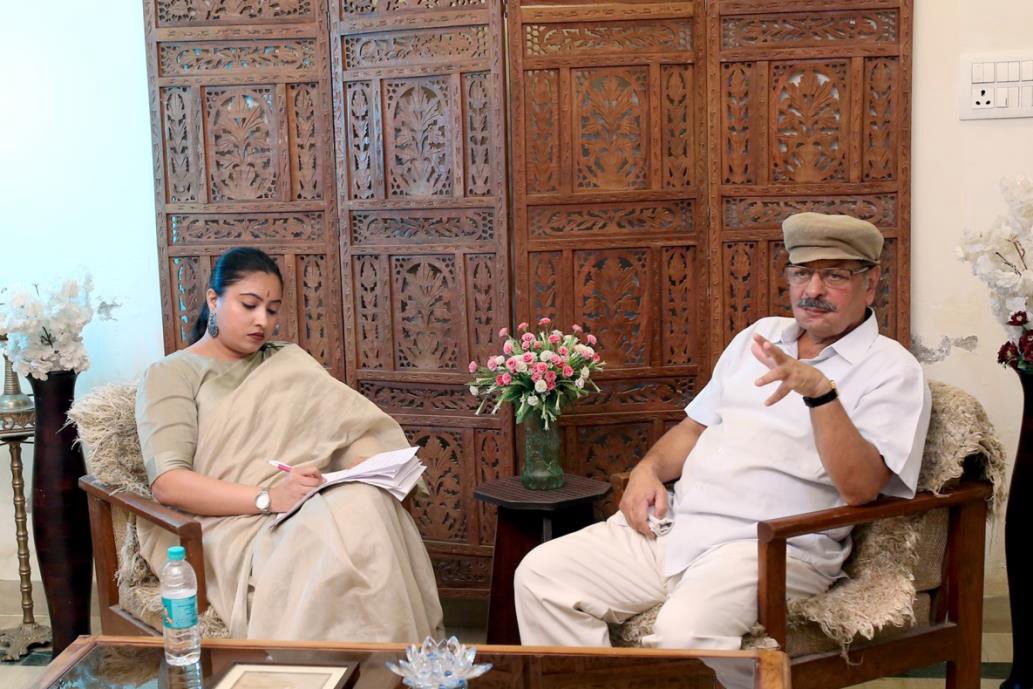
Interview by Pdt. Shiv Chandra Shukla, Pdt. Shiv Prakash Shukla
●
Title Certificate by Viceroy and Governor General of India, “Gazette of India” Notification No. 334-H.
●
Interview by Freedom fighter Shri Shiv Shankar kesari.
●
Actual photographs.
●
Letter of appreciation by C.W. Watson.
●
Original copy of posters and ticket of Old Shiv Talkies 1934 AD.
●
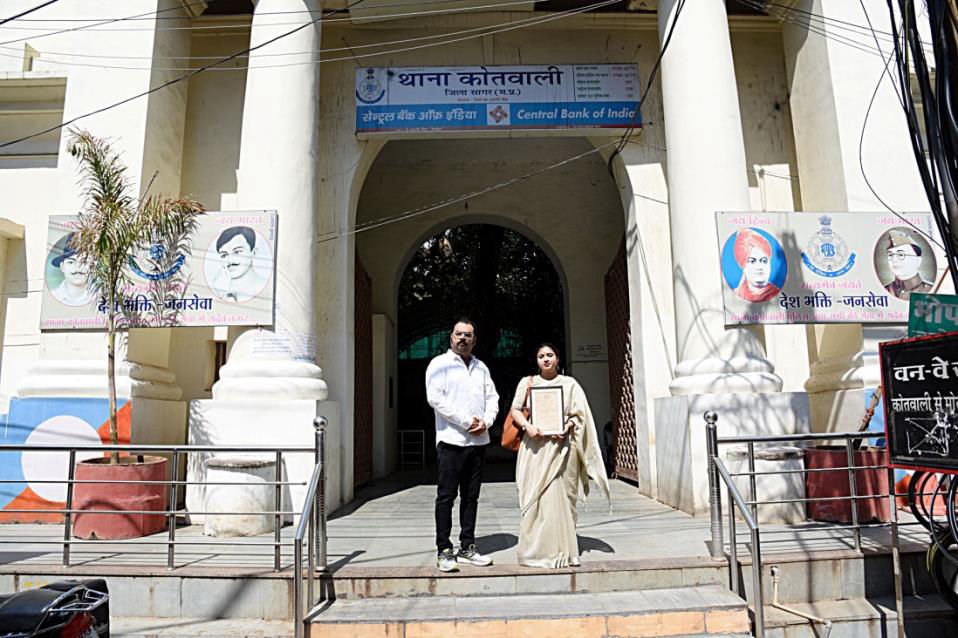
Field work visits: Police station, Kotwali Sagar, M.P.
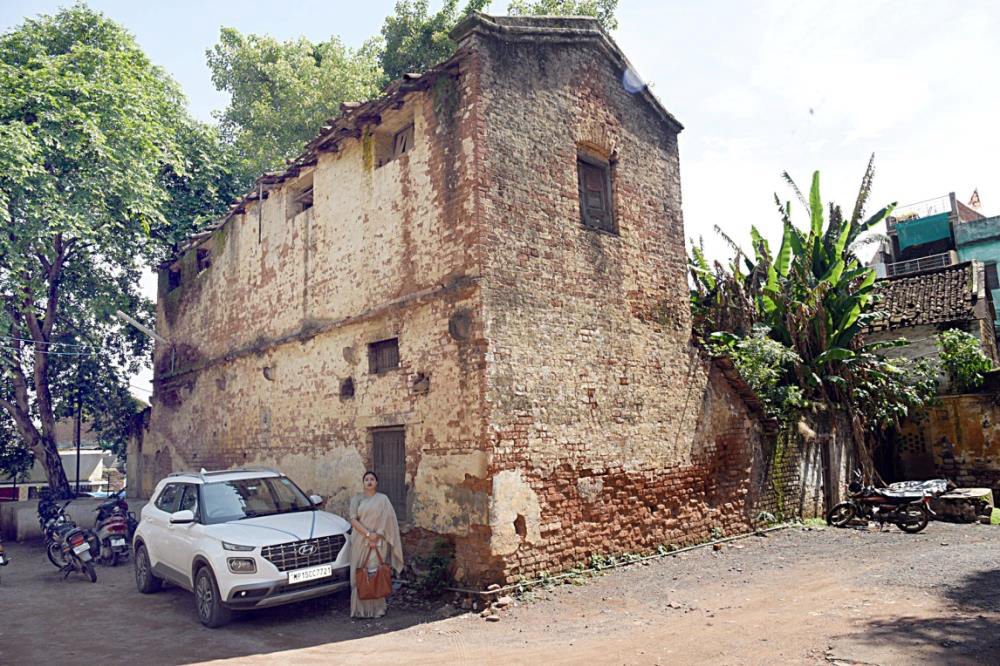
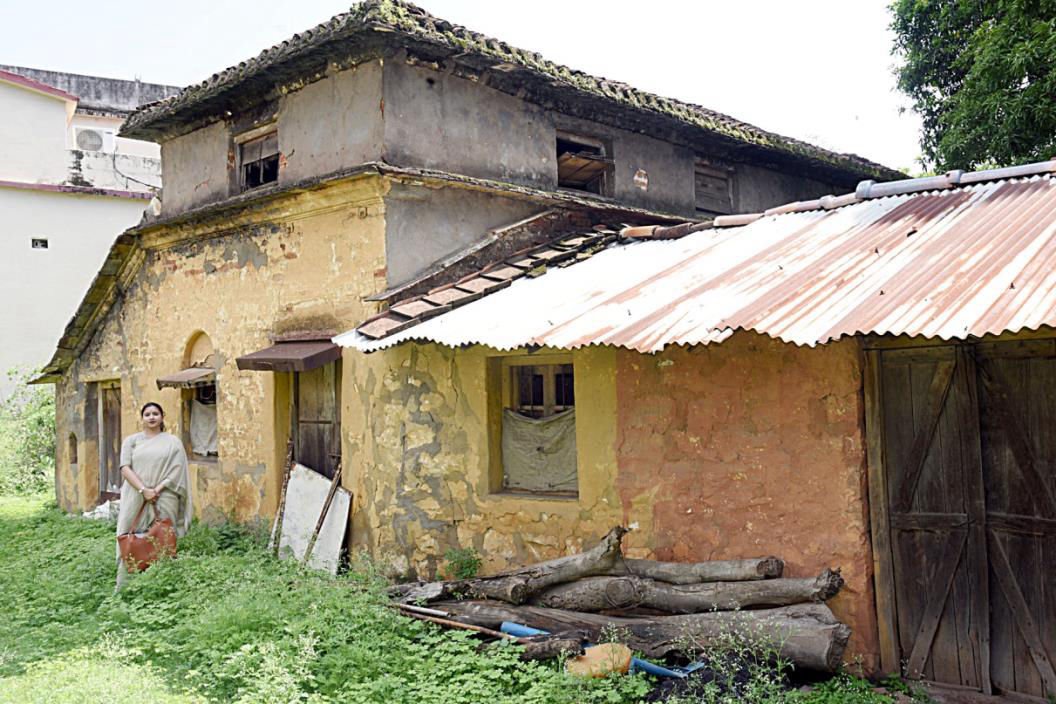
● His old residence sadar bazar, Sagar, M.P.